Research

Neutrino Physics

Exploring the Universe through its Most Elusive Particles

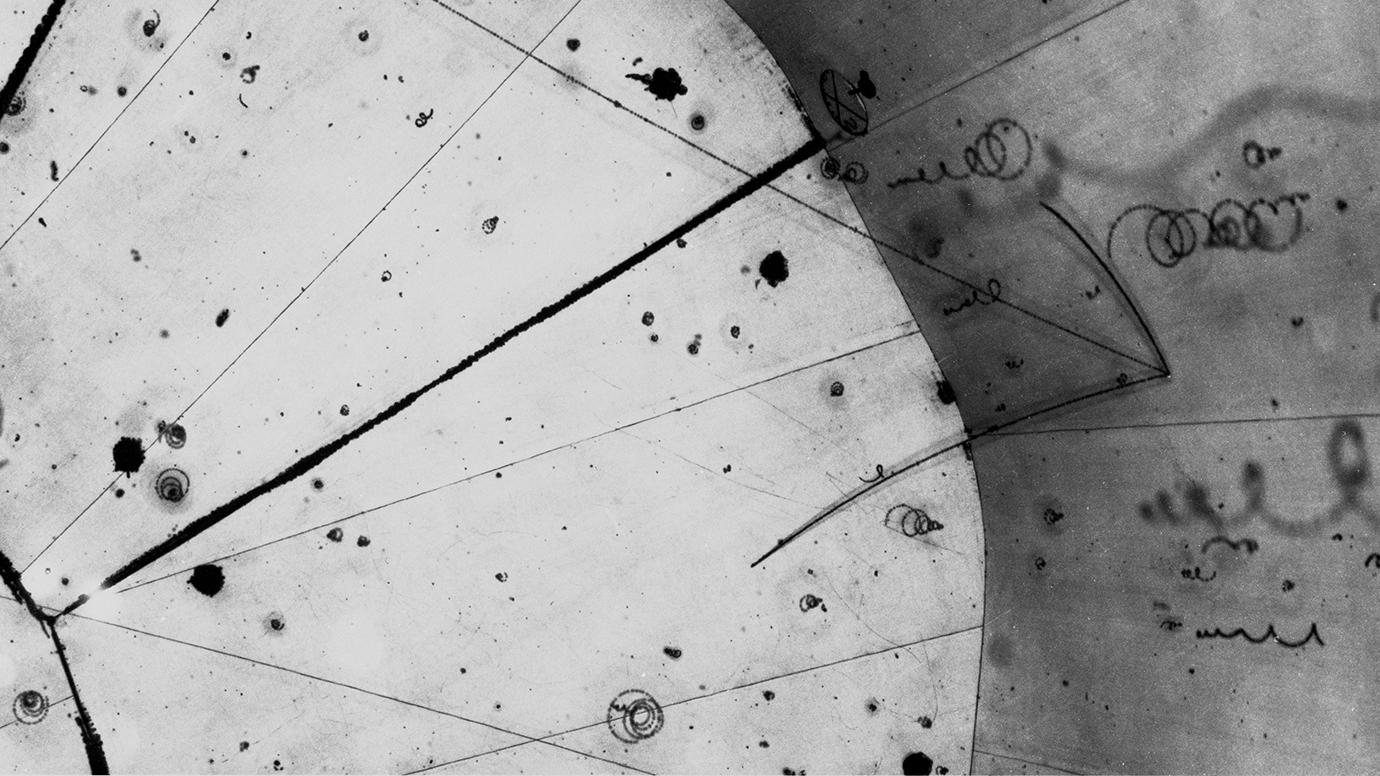
Neutrinos interact only rarely with matter, making them uniquely powerful messengers from the Sun, exploding stars, and particle accelerators.

DUNE

The Next Generation of Neutrino Physics

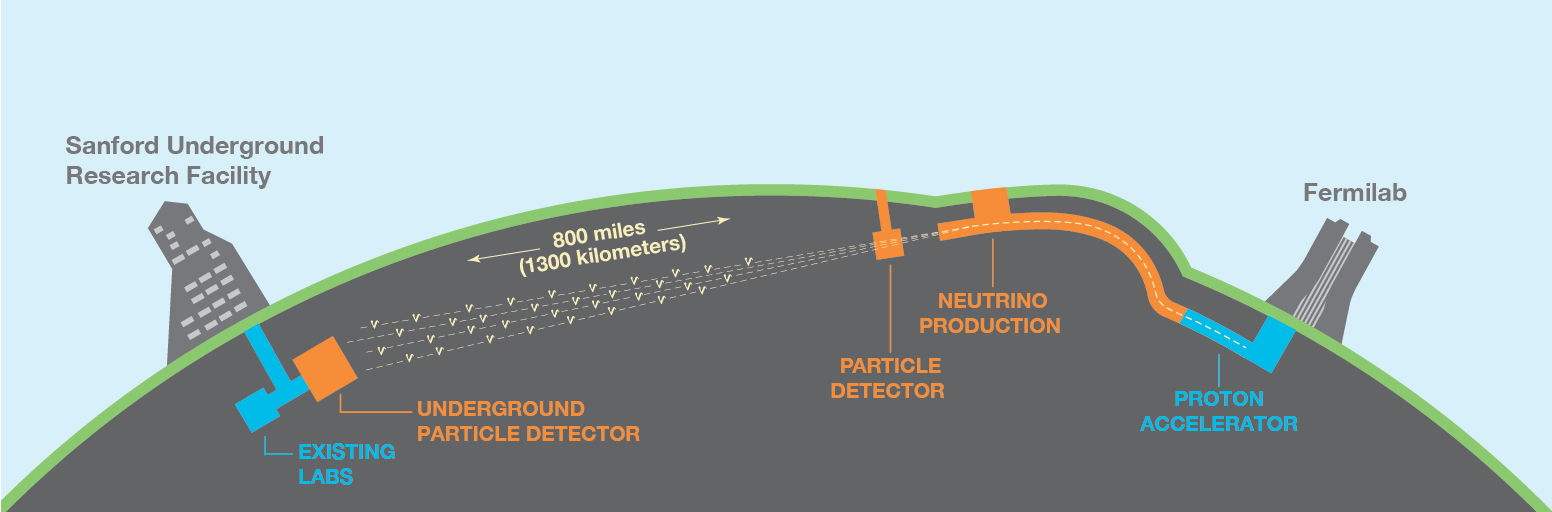
DUNE Beamline

The Deep Underground Neutrino Experiment (DUNE) is one of the world's largest particle physics experiments. A powerful neutrino beam generated at Fermilab in Illinois travels 1,300 km through the Earth to enormous liquid argon detectors located deep underground at the Sanford Underground Research Facility in South Dakota.

DUNE will address some of the most fundamental questions in physics, including why our universe is dominated by matter over antimatter, how massive stars explode, and whether proton decay exists.

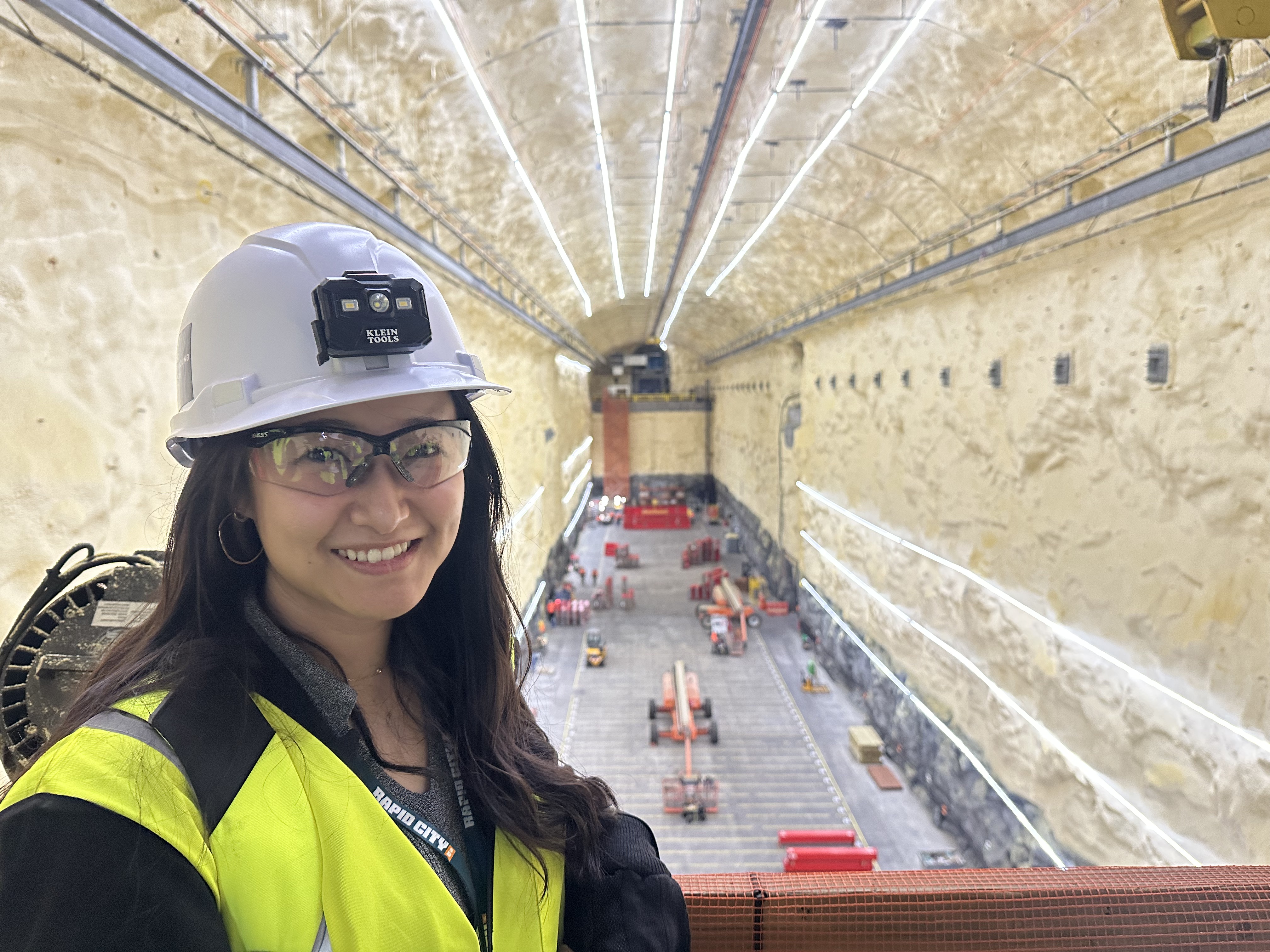
Installing DUNE detector

MY ROLE

Building the Detectors

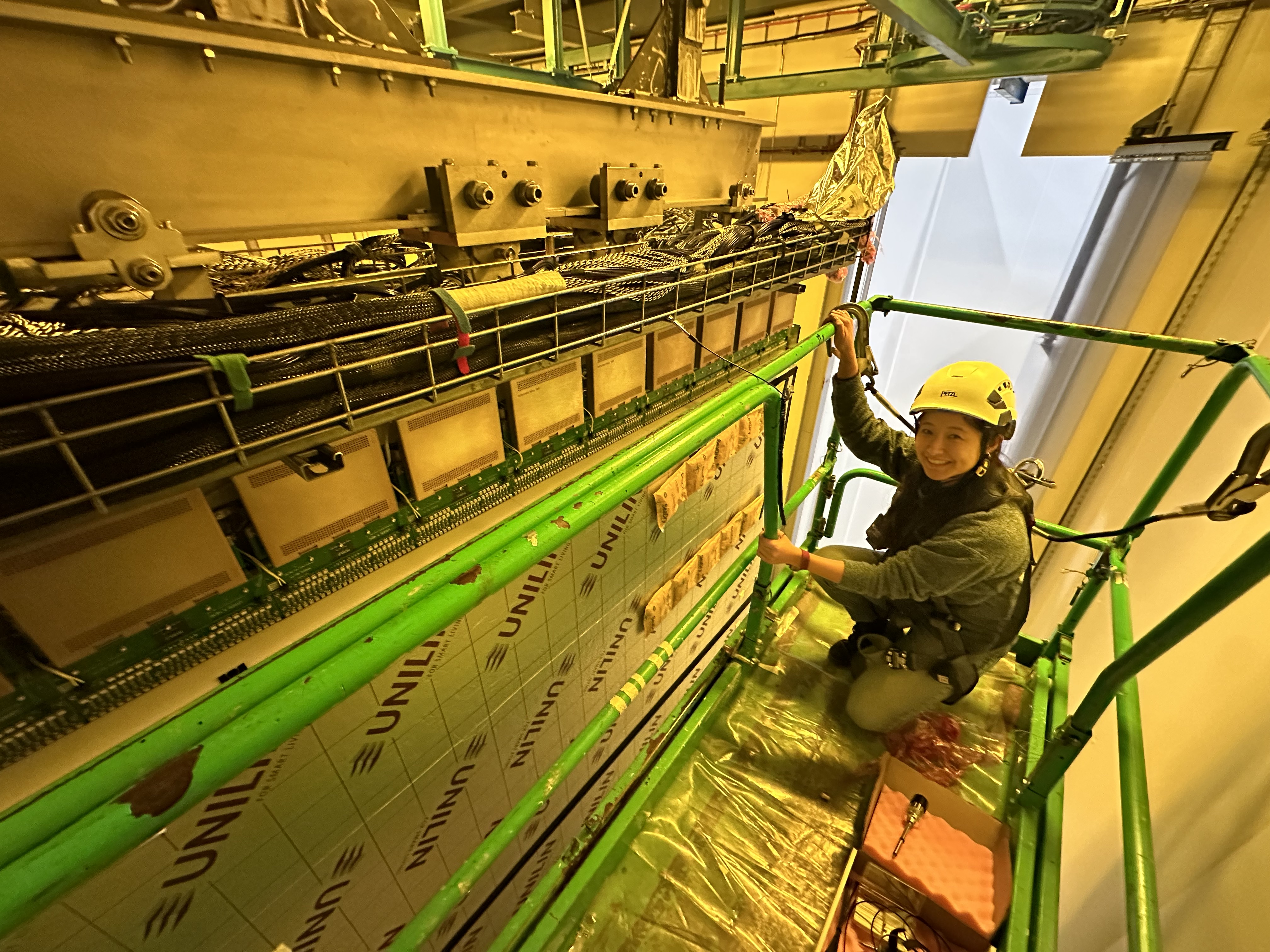
Rather than studying neutrino interactions directly, much of my current research focuses on developing, commissioning, and validating the detector technologies that make these measurements possible.

My work at Lawrence Berkeley National Laboratory involves detector instrumentation, cryogenic electronics, detector commissioning, and performance studies for the DUNE experiment.

HARVARD UNIVERSITY

My PhD Research

During my PhD at Harvard University, I explored how liquid argon detectors can be used to study low-energy neutrinos, with particular emphasis on neutrinos originating from core-collapse supernovae and from our Sun.

SUPERNOVA NEUTRINOS

Watching a Star Explode with Neutrinos

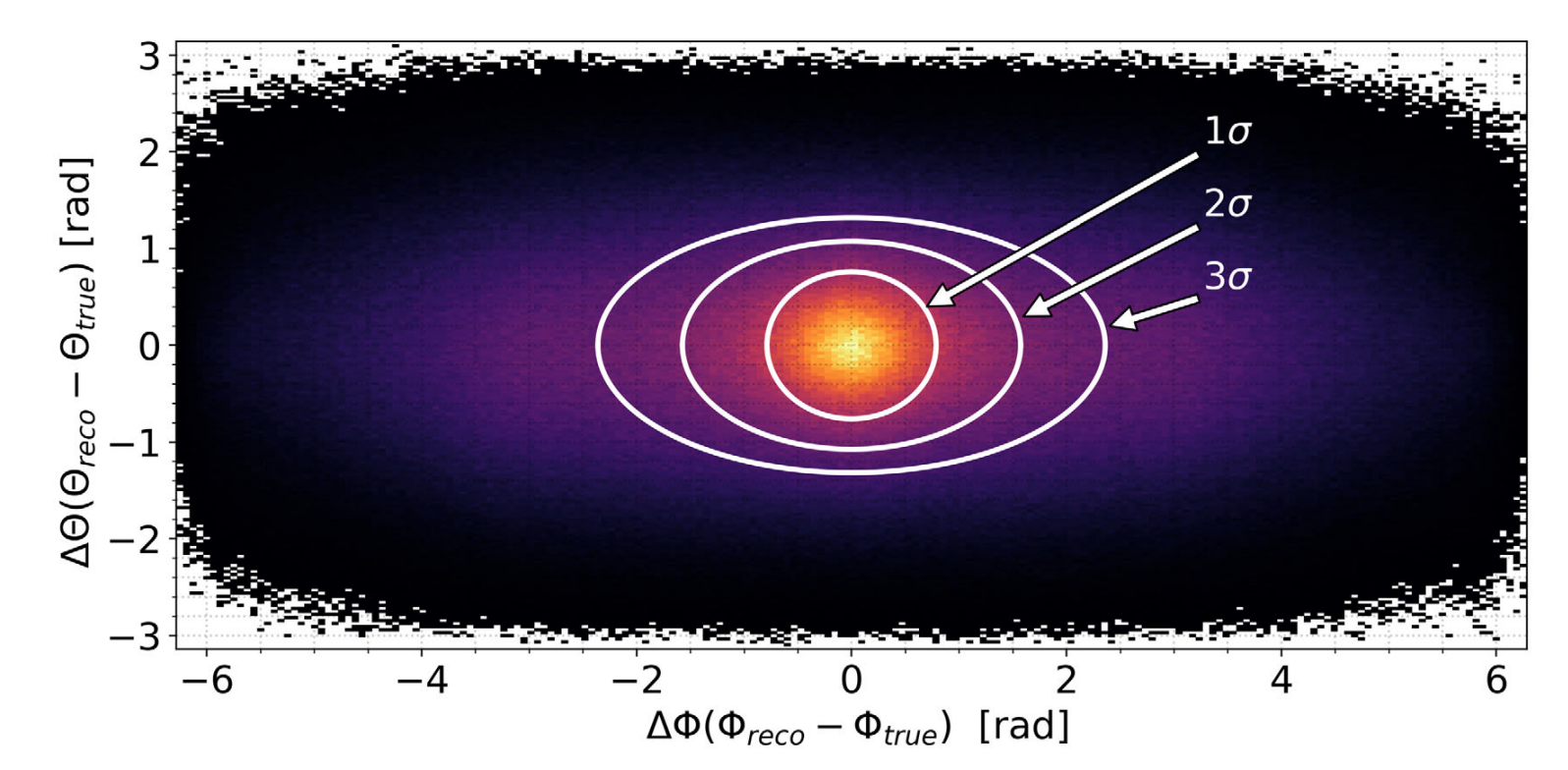
When a massive star collapses, nearly all of its energy is released in the form of neutrinos before any visible light escapes. These neutrinos provide a unique probe of the explosion mechanism occurring deep inside the star.

My PhD research investigated how DUNE can maximize its sensitivity to supernova neutrinos, improving our ability to reconstruct the direction and properties of the next Galactic supernova.

Read publication →

Supernova Neutrinos
Q-Pix Solar Neutrinos

SOLAR NEUTRINOS

Observing the Sun with Q-Pix

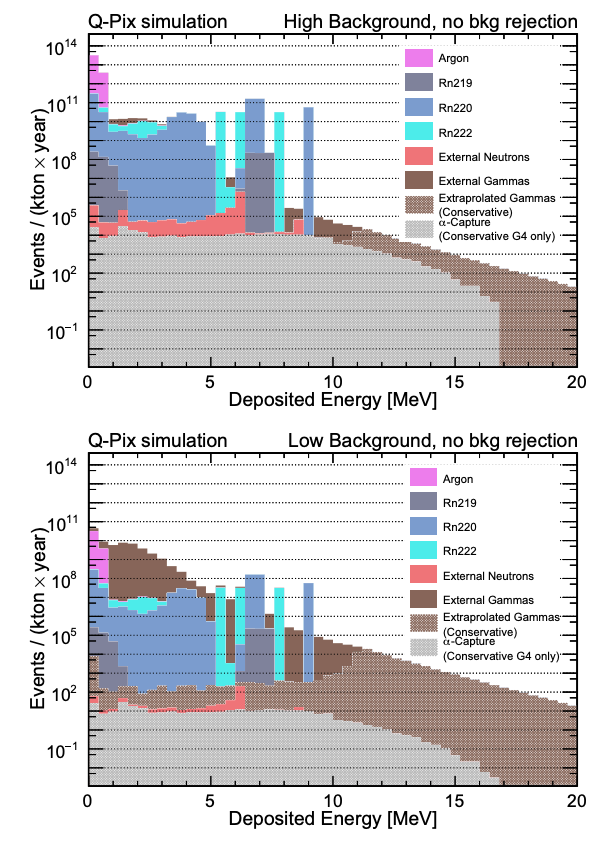
The Sun continuously produces neutrinos through nuclear fusion in its core. Detecting these particles allows us to study the interior of the Sun directly.

I investigated the sensitivity of a novel pixelated liquid argon detector, Q-Pix, to precision measurements of solar neutrinos and demonstrated its physics potential for future experiments.

Read publication →

LOOKING AHEAD

Connecting Physics and Instrumentation

Today, my research combines the physics questions that motivated my PhD with the detector development required to answer them. By advancing detector instrumentation for DUNE, I hope to enable the next generation of discoveries in neutrino physics.